

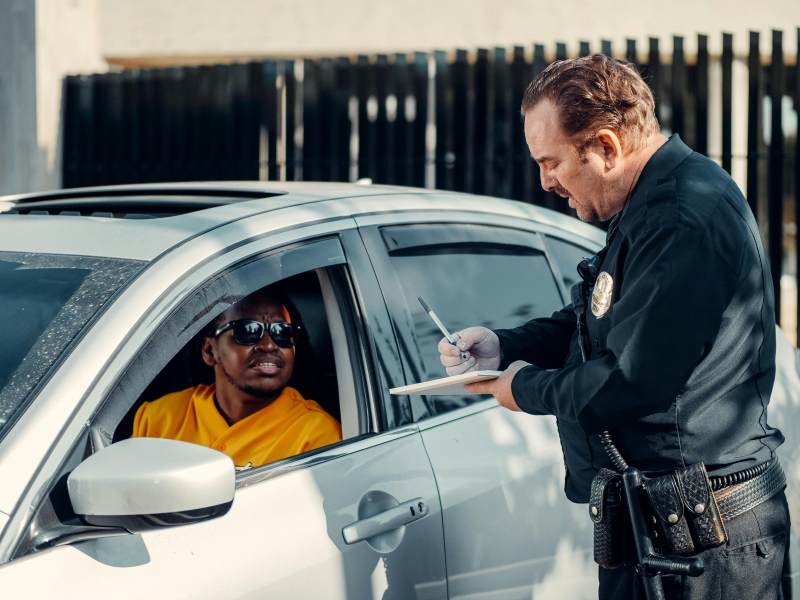
Texas roads keep changing, and so do the rules that drivers must follow. In 2026, several new traffic laws are shaping how accidents happen and how injury claims are handled. If you drive in cities like Houston, Dallas, Austin, or small towns across the state, these updates can directly impact your rights after a crash.
When someone gets hurt in a car accident, traffic laws play a major role in deciding who is at fault. Insurance companies, lawyers, and courts look closely at whether drivers followed the rules. With new laws in place, personal injury claims are also changing. Here’s what you need to know.
1. What Changed in Texas Traffic Laws for 2026
Texas lawmakers introduced new safety rules focused on distracted driving, work zones, and commercial vehicle accountability. One major change expands the statewide ban on handheld device use while driving. Drivers can no longer hold a phone for calls, texts, video recording, or scrolling while the vehicle is moving, even at stoplights.
Another update strengthens penalties for speeding in construction and school zones. Fines are higher, and repeat violations can lead to license suspension. These changes aim to reduce accidents in high-risk areas where workers and children are present.
Texas also updated rules for rideshare and delivery drivers. Companies must now maintain clearer insurance coverage during all active driving periods, not only while transporting passengers or goods. This change affects how claims are filed after rideshare-related crashes.
2. Why These Updates Matter for Injury Claims
Traffic laws are more than rules for the road. They are tools used to determine fault in personal injury cases. When someone violates a traffic law and causes an accident, that violation can serve as strong evidence of negligence.
For example, if a driver is caught holding a phone in violation of the new hands-free rule and rear-ends another vehicle, that law violation can support the injured person’s claim. Courts may view this as clear proof that the driver failed to act responsibly.
Law firms such as Zinda Law Group often examine police reports, phone records, and traffic citations to build a strong case. With stricter laws in 2026, proving fault may become more straightforward in certain situations.
3. Distracted Driving Crackdown and Liability
Distracted driving has been a serious issue in Texas for years. In 2026, the expanded handheld device ban makes it easier to link phone use directly to liability. If a driver violates this law, it may create what is known as negligence per se. This means the act of breaking the law itself can establish negligence.
In personal injury claims, proving negligence requires showing that the driver owed a duty of care, breached that duty, and caused damages. A documented phone violation can clearly show that breach.
Medical bills are another major concern after a crash. Many people turn to their health insurance to cover initial treatment costs while the claim is pending. Later, if a settlement is reached, there may be reimbursement issues that need to be handled properly as part of the overall recovery process.
4. Stricter Work Zone Rules and Damage Recovery
Construction zones are high-risk areas. In 2026, Texas increased fines and enforcement tools, such as automated speed detection in certain work zones. If a driver speeds and causes a crash in these areas, penalties are much more severe.
For injury victims, this can impact claims in two ways. First, a speeding violation in a work zone may strongly support a negligence claim. Second, enhanced penalties can influence settlement negotiations. Insurance adjusters may be more willing to settle when there is clear evidence of reckless behavior.
If a construction worker is injured by a speeding driver, the claim may involve workers’ compensation and a third-party personal injury case. The new laws can strengthen that third-party claim against the driver who broke the speed rules.
5. Rideshare and Delivery Driver Coverage Gaps
Rideshare and delivery services are common across Texas. In the past, confusion often arose over which insurance policy applied during different driving phases. The 2026 updates require more consistent commercial coverage from companies when drivers are logged into apps.
This change helps injured victims by reducing disputes over coverage limits. If a rideshare driver causes a crash while waiting for a ride request, the company’s insurance is required to apply. Clearer coverage rules can speed up the claims process. Instead of long debates about whether a driver was on the clock, injured parties may see faster access to higher policy limits.
6. Increased Penalties for Reckless Driving
Reckless driving laws have also been strengthened. Repeat offenders now face higher fines, longer license suspensions, and potential vehicle impoundment. In severe cases involving injury, criminal charges may accompany civil claims.
When a driver faces criminal charges, it can impact a personal injury lawsuit. A conviction or guilty plea may serve as powerful evidence in civil court. While criminal and civil cases are separate, findings in one case can influence the other.
For injured individuals, stronger reckless driving penalties can increase leverage during settlement discussions. Insurance carriers may prefer settling rather than risking a jury trial where the driver’s dangerous history is presented.
7. How Modified Comparative Fault Still Applies
Even with new laws, Texas still uses modified comparative fault. If you are partially at fault for an accident, your compensation may be reduced by your percentage of responsibility.
For example, if you are awarded $100,000 and found 20 percent responsible, your recovery drops to $80,000. If you are 51 percent responsible, you recover nothing.
New traffic laws can shift how fault is assigned. Clear violations by the other driver may reduce attempts to blame you. Strong documentation, witness statements, and official citations remain key pieces of evidence in protecting your claim.
8. What To Do After an Accident in 2026
If you are involved in a crash under the new traffic laws, take specific steps to protect your rights. First, call law enforcement so an official report can be created. Officers will note any violations of updated laws, such as phone use or speeding in restricted zones.
Second, seek medical attention right away. Even minor injuries can worsen over time. Medical records connect your injuries directly to the crash.
Third, document everything. Take photos of the scene, vehicle damage, and road signs. If distracted driving is suspected, mention it to the officer. Phone records may later support your claim.
Finally, consider speaking with a personal injury attorney who understands the 2026 law updates. Legal guidance can help you understand deadlines, insurance coverage issues, and how the new rules affect your specific case.
9. Road Safety Laws Continue to Shape Claim Outcomes
Traffic laws exist to promote safer roads. When lawmakers adjust those rules, personal injury claims shift as well. In 2026, stricter distracted driving rules, clearer rideshare insurance coverage, and tougher work zone enforcement all play a role in determining fault and compensation. For drivers and accident victims, staying informed is critical. Knowing how these legal changes affect liability can help you make smarter decisions after a crash. Texas traffic law continues to evolve, and personal injury claims evolve along with it.

Robert Stewart is a seasoned law blog writer with a passion for translating complex legal concepts into accessible, informative content. With a keen eye for detail and a knack for storytelling, Robert crafts engaging articles that educate and empower readers in the realm of law.
Drawing upon his extensive experience in the legal field, Robert brings a wealth of knowledge to his writing, covering a diverse range of topics including personal injury, family law, criminal defense, and more. His articles combine thorough research with clear, concise language, making them valuable resources for both legal professionals and laypeople alike.